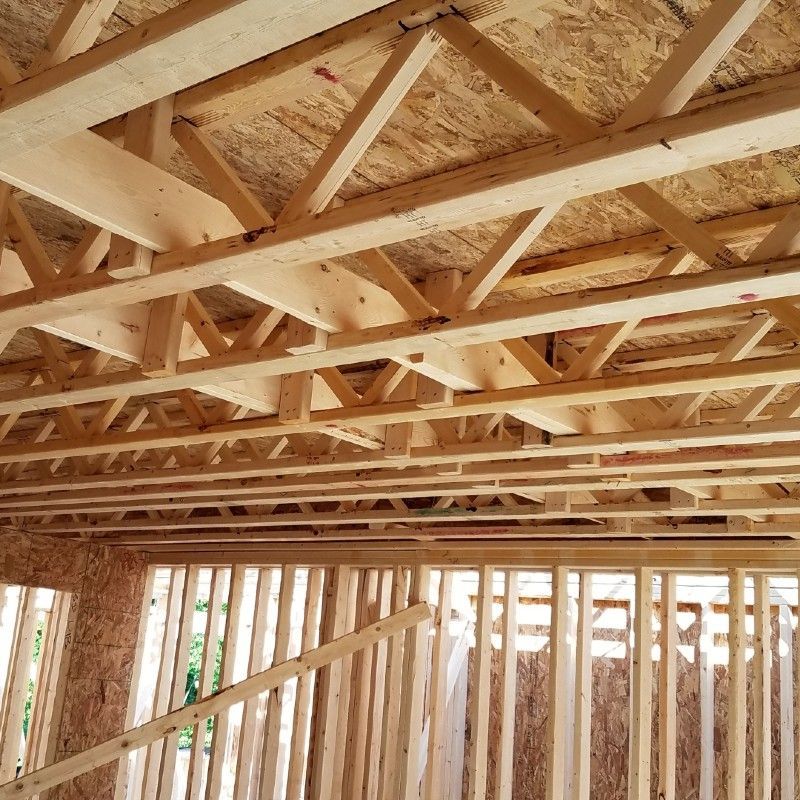
Efficient
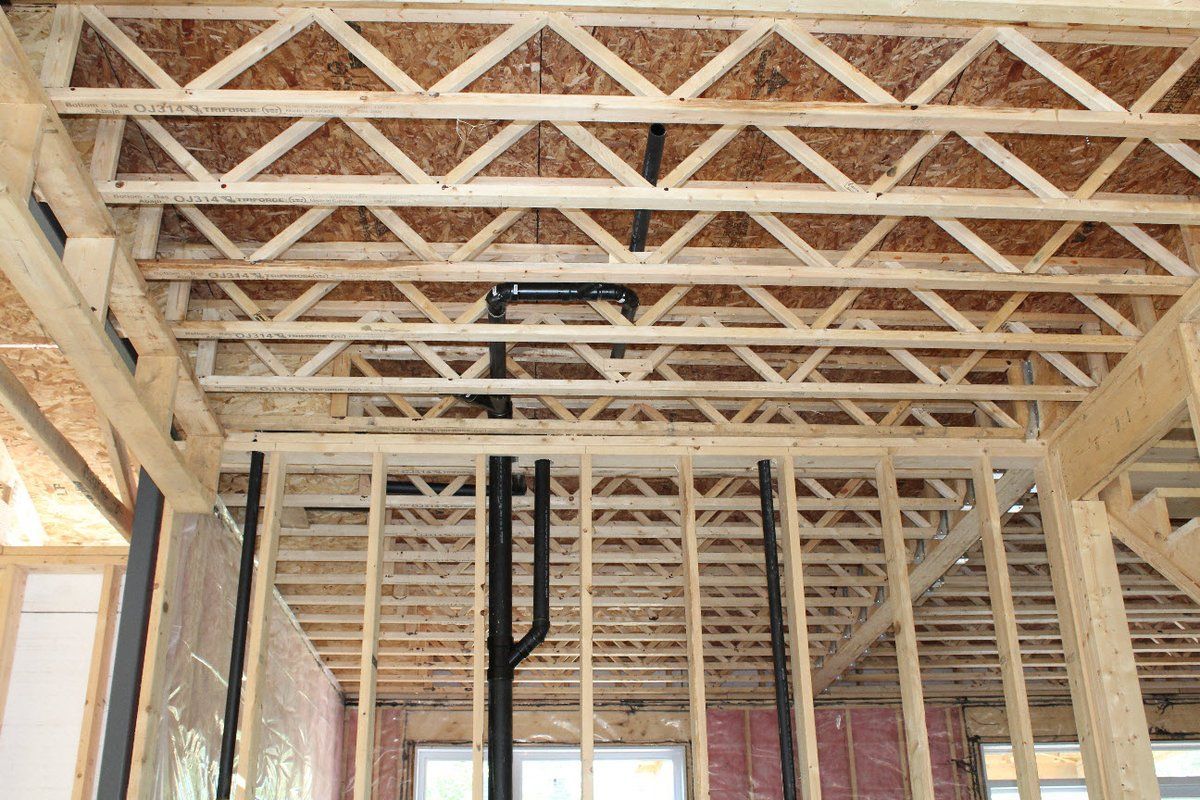
Open-web design allows HVAC, plumbing, and electrical lines to run through the joists — no drilling required
Reduces time spent modifying framing for mechanical trades
Speeds up rough-ins and overall project timelines
Minimizes callbacks from improperly drilled or damaged joists
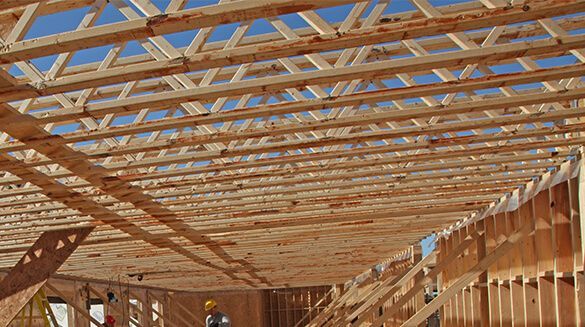
Strength
Easier to carry and set compared to solid sawn lumber or floor trusses
Engineered components provide consistent strength and stiffness
Resists warping, twisting, shrinking, and splitting
Designed for long spans while maintaining floor stability
Efficient
Trimmable end panel allows adjustments directly on site
Accommodates uneven foundations or layout changes
Ideal for open-concept floor plans and longer clear spans
Reduces special orders and engineering delays


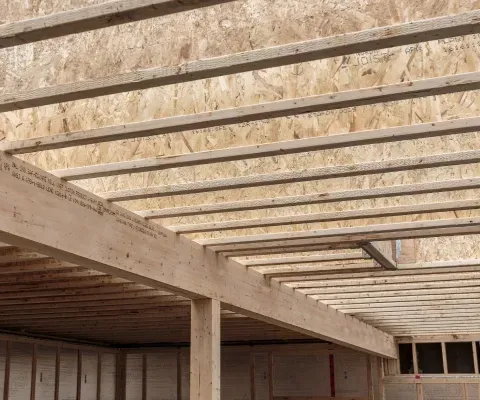
Strength
Nordic I-joists are engineered to provide excellent strength-to-weight ratio compared to traditional lumber — meaning they support heavy loads while remaining lightweight.
Their construction with finger-jointed lumber and OSB webs delivers consistent performance with reduced warping, camber or splitting.
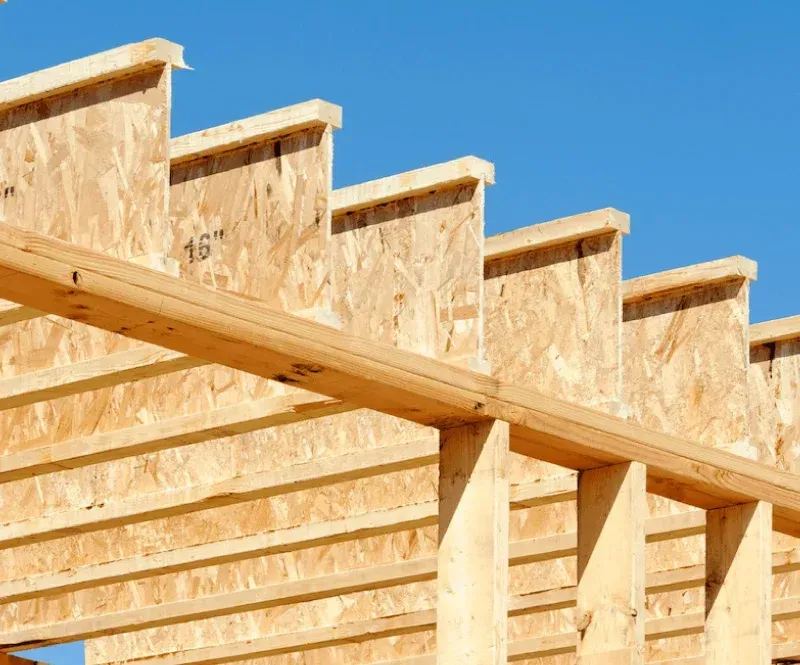
Head-ache fee
Nordic I-joists are lighter and easier to handle on site than solid lumber, which speeds up installation and reduces labor strain.
They allow longer spans and a variety of lengths, helping create open designs with fewer support beams.
Eco-friendly
Nordic I-joists use up to 50% less wood fiber than conventional solid wood joists — making them a more resource-efficient, “green choice.”
This efficient use of engineered wood supports sustainable forestry and reduced material waste in construction.
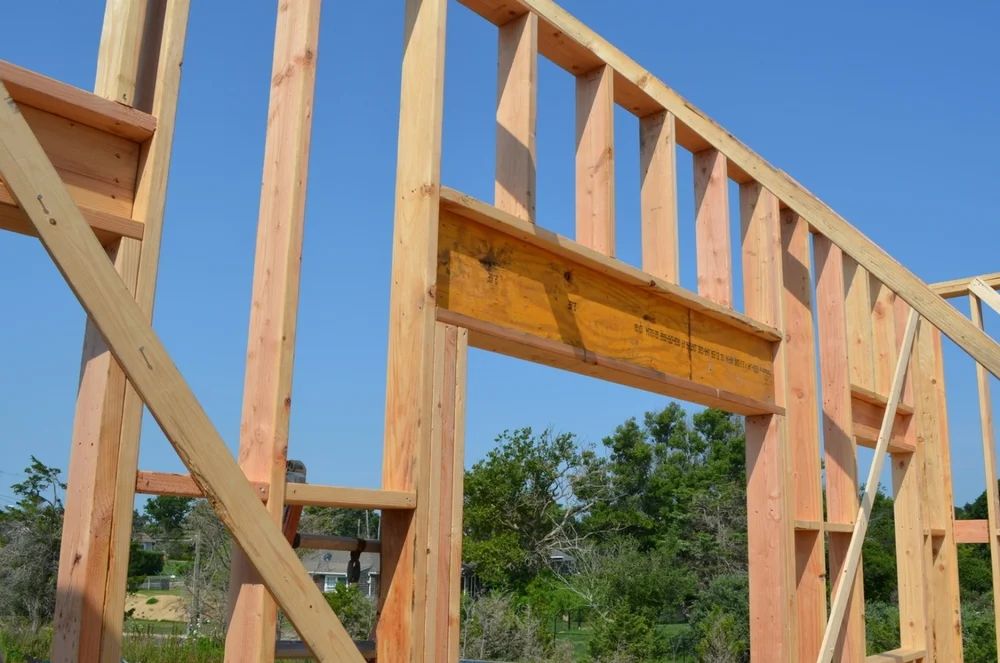
Load Capacity
LVLs (Laminated Veneer Lumber) are engineered with layers of wood veneer bonded under heat and pressure, creating superior strength compared to standard dimensional lumber.
Ideal for longer spans, heavy loads, and structural headers, reducing the need for additional supports.
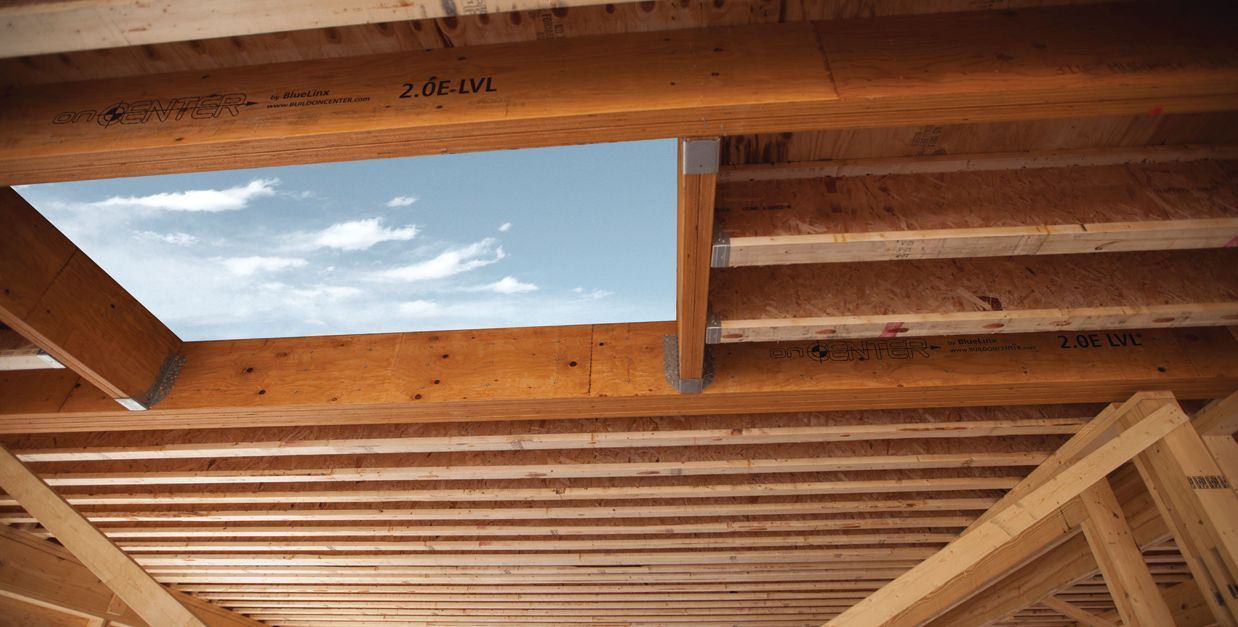
Top quality
Manufactured under controlled conditions, LVLs are uniform in size, density, and performance.
Unlike regular lumber, they are far less likely to warp, twist, bow, or shrink, which means straighter walls and floors.
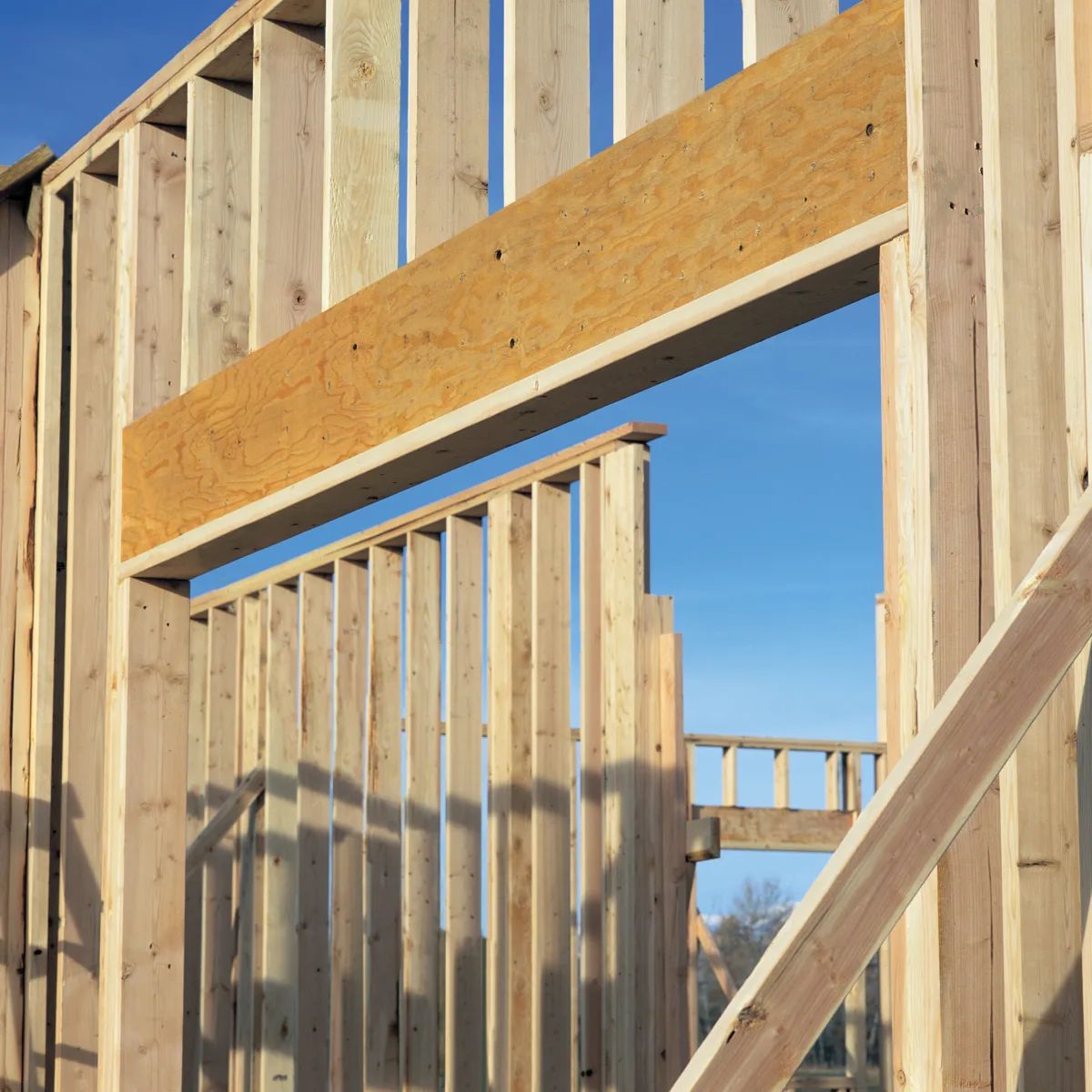
Accommodating
LVLs can span greater distances than traditional 2x lumber, allowing for more open floor plans.
Fewer columns or bearing walls are needed, giving builders and homeowners more layout freedom.
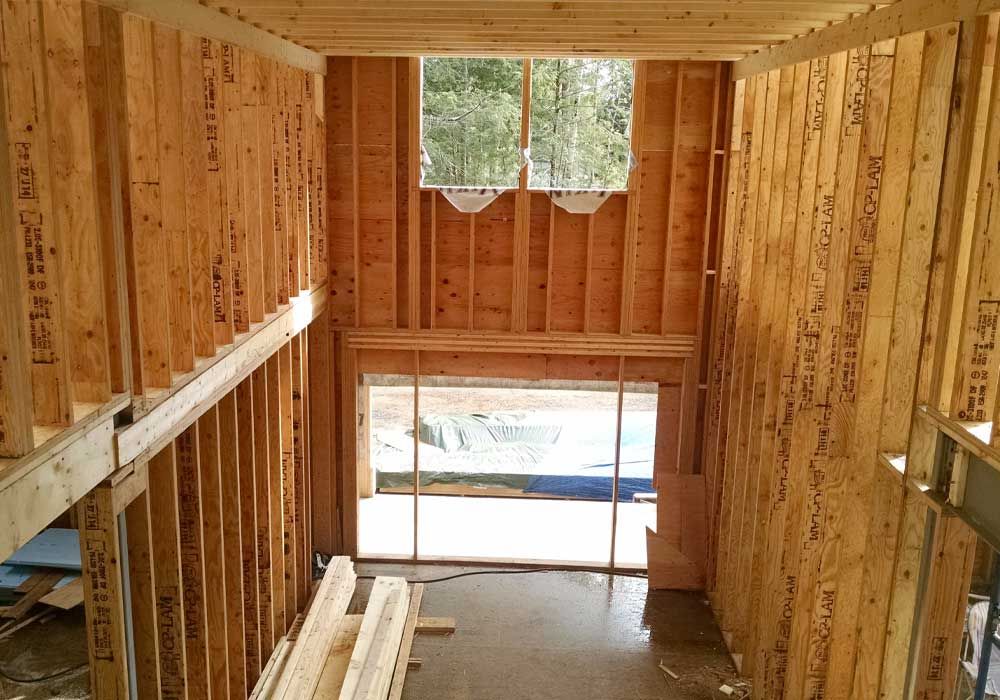
Durability
Engineered to carry heavier structural loads than typical dimensional lumber
Stronger and more reliable for studs, headers, beams, and columns
Fewer weak spots (no large knots like traditional studs)
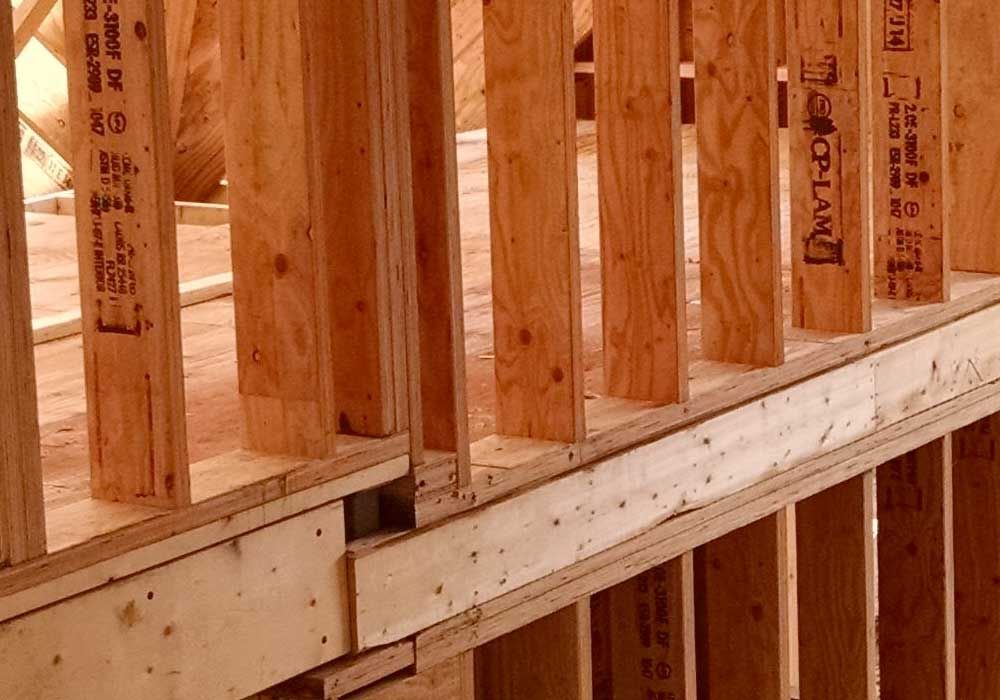
Consistence
Manufactured for consistent size and density
Resists warping, twisting, bowing, and shrinking
Helps create straighter walls and smoother finishes
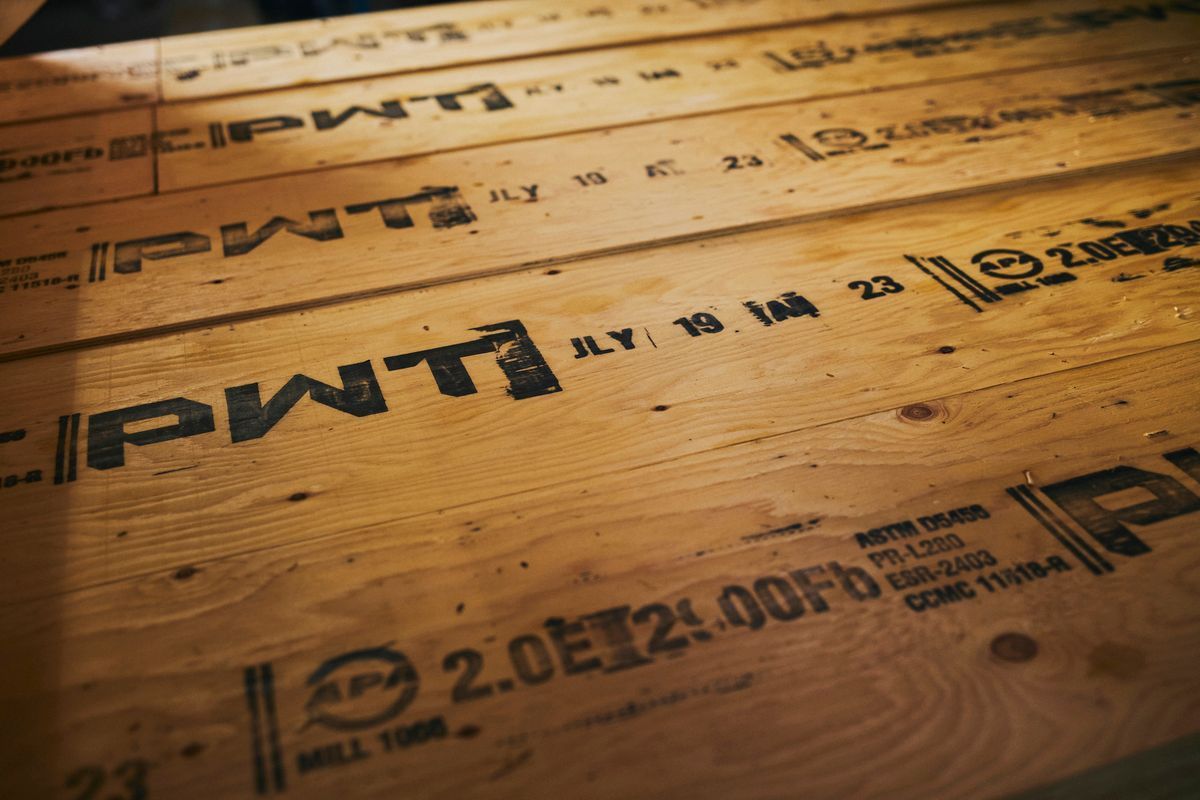
Head-ache free
Predictable performance reduces callbacks and rework
Available in longer lengths for design flexibility
Some products include moisture-resistant coatings for added protection during construction
Load-Carrying Capacity
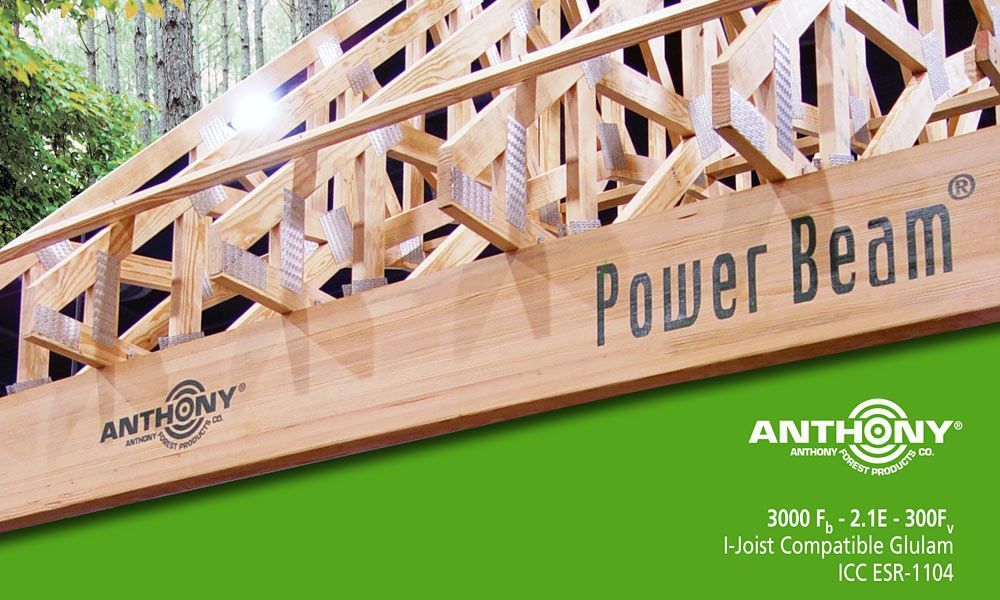
Built as a glue-laminated engineered wood beam with high-strength southern yellow pine, offering design values significantly above typical solid lumber.
Provides a strong, reliable structural member for use as primary support beams, headers, and girders.
Can match I-joist depths and wall widths for efficient integration into framing systems.
Strength
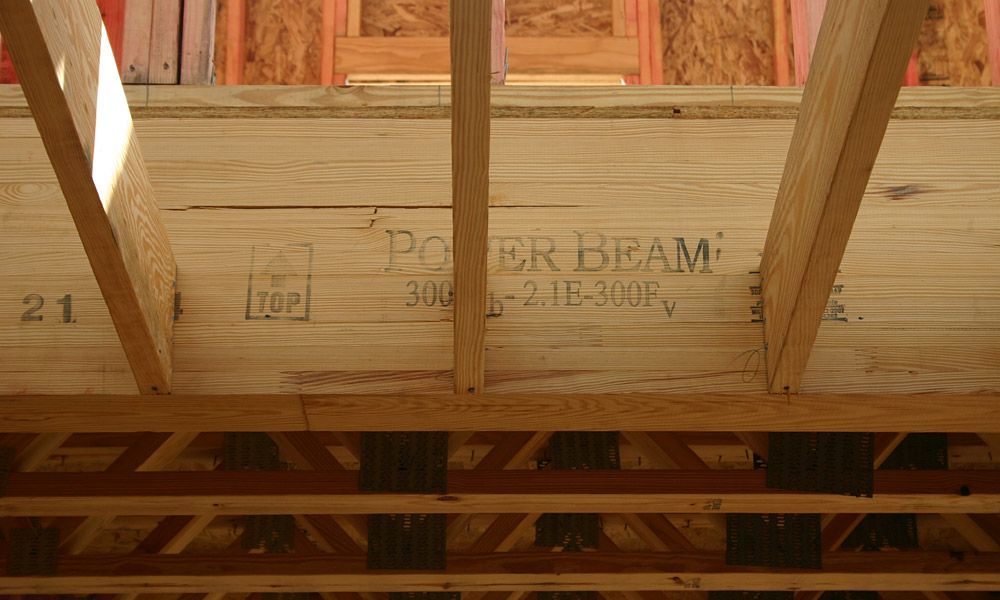
Composite lamination randomizes natural wood defects, giving more consistent performance than standard lumber.
Less susceptible to warping, twisting, checking, cupping, or shrinkage over time.
Surface sealed and manufactured under strict quality control for uniform material properties.
Design Flexibility
Offered in single-piece lengths (up to 60 ft), so it reduces field splicing and labor compared to built-up multi-ply members.
Matches common framing dimensions (3½″, 5½″, and 7″ widths), making it easy to design into projects with fewer modifications.
A cost-efficient engineered alternative to heavy solid lumber or steel beams for many load-bearing applications.